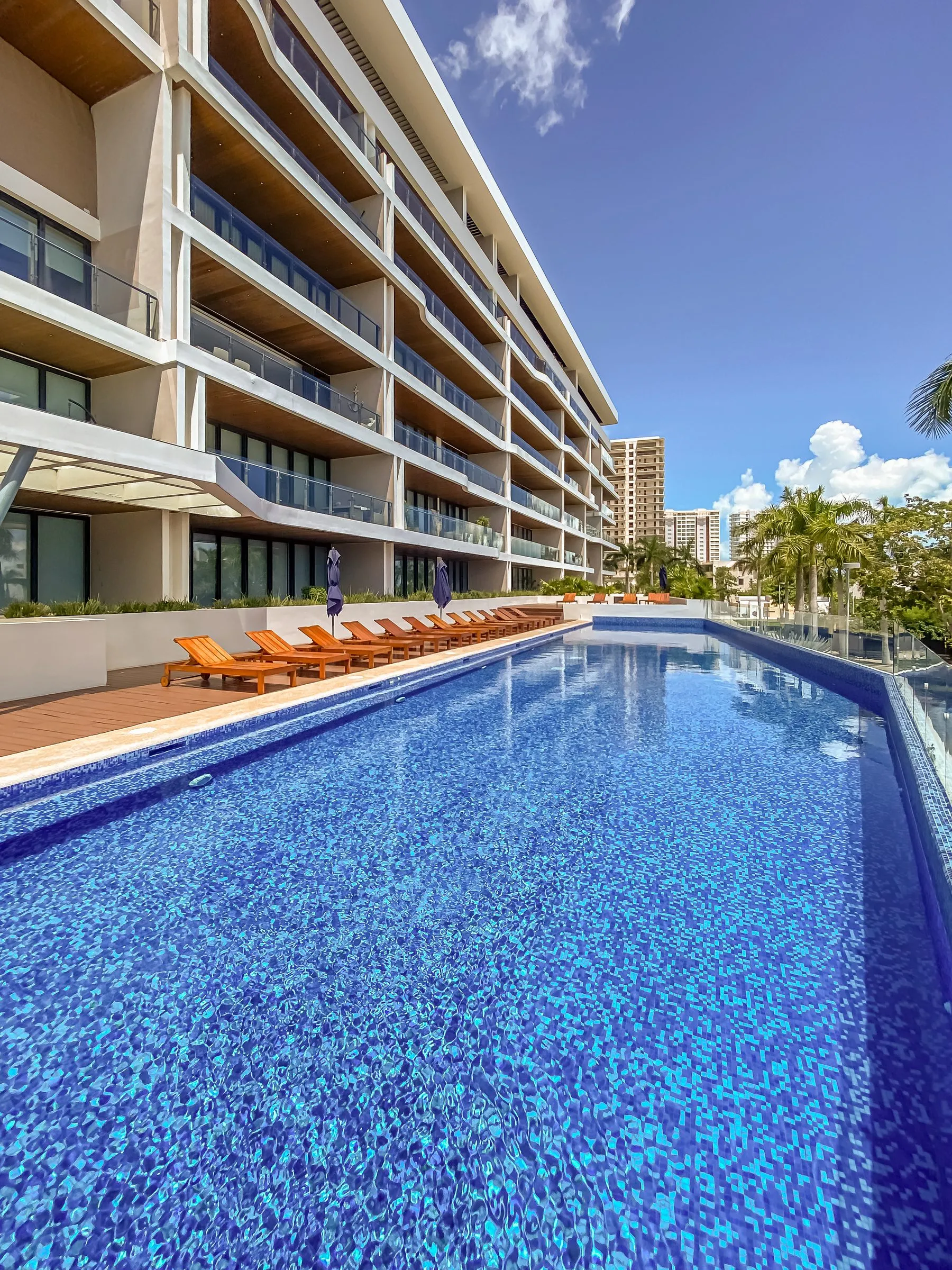
Every image in this article is real Studio 28 work for hotels in Cancun and the Riviera Maya.
This guide covers what corporate ownership and brand standards actually ask for before approving a hotel shoot, how usage rights get scoped for OTAs and print, and how the shoot itself gets planned around a property that keeps running guests the whole time.
A GM or marketing manager booking a photography update isn't the only person who has to be satisfied with the result. Corporate, ownership, or a brand standards team is usually reviewing the deliverables too, and that review asks different questions than a guest scrolling through an OTA listing does: does this match our brand guide, do we actually own the rights to use it where we need to, and did the shoot happen without disrupting the property. Getting those three things wrong costs more than a reshoot. It costs the time spent justifying the spend to someone who wasn't there for the shoot in the first place.
Why this matters more on an OTA than on your own site
A guest who's already on your website has, in some sense, already chosen you. A guest scrolling an OTA is comparing your thumbnail against a dozen competing properties in the same grid, often at a similar price point, with a few seconds to decide which listing gets the click. That's a harder bar than most hotel marketing accounts for: the photo isn't just representing the property anymore, it's competing directly against every other photo in that search result.
That's also where brand standards and usage rights stop being a formality. If the same gallery needs to perform on Booking.com, Expedia, your direct site, and a printed brochure, it has to be shot with all of those uses in mind from the start, not adapted awkwardly after the fact for whichever channel wasn't originally considered.
What corporate actually asks before approving a shoot
Four questions come up more than any others, and all four are things a marketing manager needs answered before they can confidently sign off internally: does the photography follow our brand standards, what can we actually do with the images once we have them, will this interrupt our guests, and can we have it ready before our next booking push. Each one has a direct answer, not a vague reassurance.
Shooting to brand standards, not just "nice photos"
A property under a brand or corporate style guide usually has real constraints: specific angles that are approved (or banned), a defined color and light treatment, framing rules for rooms and public spaces. We work from that brief directly when one exists, which means the deliverables land inside the lines your brand team already drew, instead of arriving as generic hotel photography that then needs a second pass to fit.
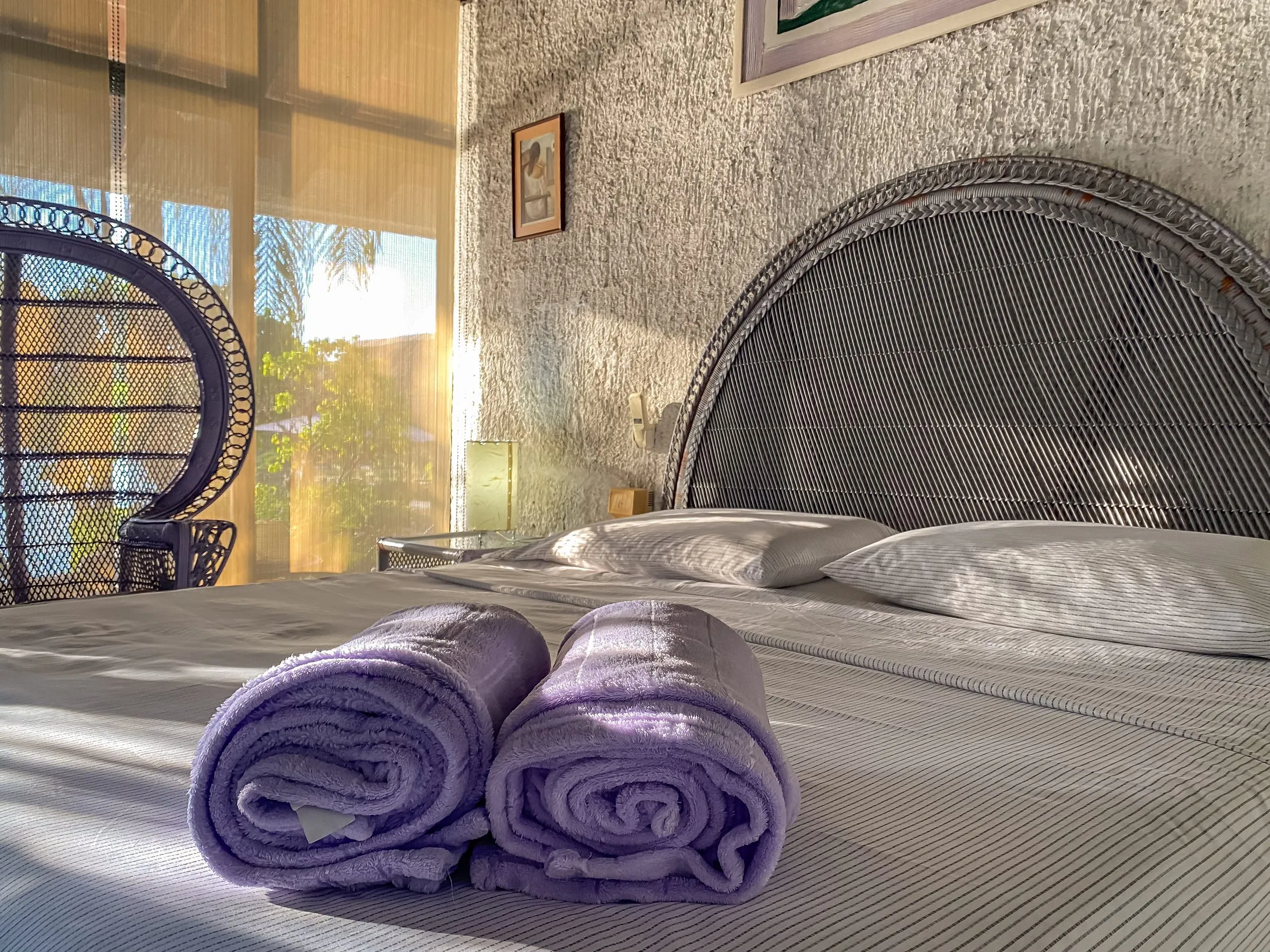
For an independent boutique property without a formal style guide, this works the other direction: we help establish a consistent visual language across the shoot, so future updates (a new season, a renovated room) stay visually consistent with what's already published, rather than each shoot looking like a different property.
Usage rights, scoped before the shoot, not after
"Can we use this on our OTA listings and in our printed brochure" is a licensing question, and it's cheaper to answer before the shoot than to renegotiate after delivery. We scope digital use (site, OTA platforms, social) and print use (brochures, in-room collateral, press) as clearly defined terms up front, so there's no ambiguity when your marketing team wants to reuse an image somewhere it wasn't originally planned for.
Shooting around occupancy
A hotel doesn't close for its own photography. The shoot list gets planned around checkout windows, currently unoccupied rooms, and lower-traffic hours in restaurants and shared spaces, coordinated with your front desk and operations team in advance so nothing about the shoot day surprises a guest or your staff.
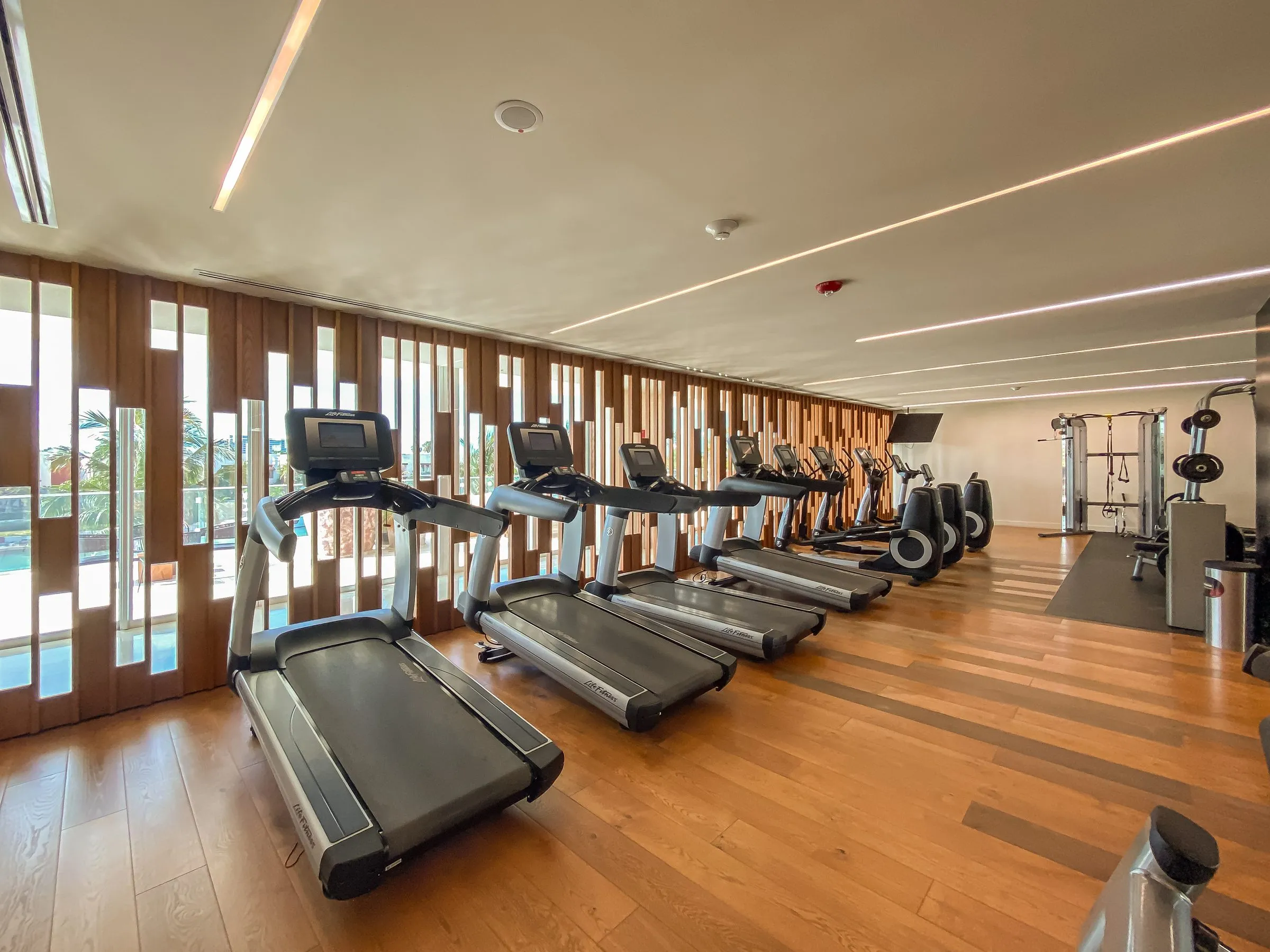
Turnaround before high season
The tightest deadline in this business isn't the shoot itself, it's everything around it. Booking early enough that the property is actually presentable (renovations finished, landscaping done, seasonal setup in place) and that there's real editing time left before your listings need to go live matters more than how fast the shoot day goes. Properties that book right before their season starts are usually the ones asking for a rushed turnaround that could have been avoided with a few weeks of lead time.
Boutique property or international chain: what changes
An independent boutique property has more room to lean into a distinctive visual identity, since there's no corporate style guide constraining the shoot. A property operating under an international brand works within that brand's existing standards, and the value we add is consistency and local execution quality, not a new visual direction. Neither is harder to shoot well; they're just different briefs.
When ownership isn't in Mexico
A lot of the properties we work with report to an owner or corporate office outside the country, which means the person approving the shoot may never see the property in person during the process. In that setup, the GM or on-site marketing manager becomes the point of coordination, and the deliverables need to carry enough context (a shot list mapped to brand requirements, clear usage terms in writing) that ownership can review and approve remotely without a site visit of their own.
Common mistakes we see
- Booking too close to season launch. Leaves no room for a reshoot if weather or an unfinished renovation gets in the way.
- Skipping the rights conversation upfront. Leads to a second negotiation later when marketing wants to use an image somewhere it wasn't scoped for.
- Not sharing the brand guide before the shoot. Results in photography that looks good but doesn't match what corporate expects to see.
- Treating the shoot as one static content batch. Seasonal changes and renovations date a hotel gallery faster than most other property types.
What you get from a typical shoot
- An edited gallery covering exteriors, rooms, F&B, amenities, and public spaces, sized correctly for OTA upload requirements.
- Usage rights documentation scoped in writing for the digital and print channels you actually need.
- A shoot plan coordinated with your operations team, built around occupancy rather than against it.
What determines the price
Studio 28 publishes starting day rates in USD for international clients on our production rates page. From that starting point, these are the real variables that move the quote:
- Property size: room count and number of distinct public spaces and outlets.
- Scope of usage rights needed (digital only, or digital plus print).
- Whether the shoot needs to work around an existing brand style guide.
- Turnaround timeline relative to your season launch.
None of that resolves into one generic number. We quote based on your property and what your team actually needs from the deliverables, not a rate that applies the same to a ten-room boutique property as to a branded resort.