Every image in this article is real Studio 28 work for events and conferences in Cancun and the Riviera Maya.
This guide covers what to actually expect from an event photography and video vendor in Cancun when you're planning from abroad, how the remote coordination works, and what determines the price.
Planning an incentive trip, conference, or corporate event in Cancun from another country means handing off a piece of the program to a vendor you may never meet in person before the event starts. That's a real risk if the vendor needs hand-holding, doesn't know the local venues, or goes quiet between the deposit and event day. It's not a risk if the vendor is used to working exactly that way, and it's worth vetting for before you sign anything, not after the event when there's no material to show for it.
Most planners bringing a group to Cancun are already juggling a DMC, a hotel's conference services team, and a handful of other local vendors they've never worked with before. Photography and video shouldn't be the piece that adds friction to that stack. It should be the one piece that just works once you've briefed it, the same way it would if the event were happening in a city where you could walk the venue yourself the week before.
The material that comes out of the event matters just as much as the event itself, maybe more to the people who weren't there. It's what goes into the sponsor recap deck that justifies next year's budget, what your communications team posts while the event is still relevant, and what sales uses to help fill next year's registration. An event that ran flawlessly but produced weak photos still reads, to everyone who wasn't in the room, as if nothing much happened.
Cancun is one of Latin America's busiest conference and incentive destinations, which cuts both ways for a planner: there's no shortage of vendors, but there's also no shortage of other events competing for the same sponsors' and attendees' attention that same quarter. Weak material doesn't just undersell this event. It makes the case for next year's budget that much harder to make.
What actually makes event coverage useful to a corporate client
It isn't "cover the whole event" in the abstract. It's five specific kinds of shots, each one built for a different audience within your own organization: the sponsor, the press contact, the attendee, next year's registration campaign.
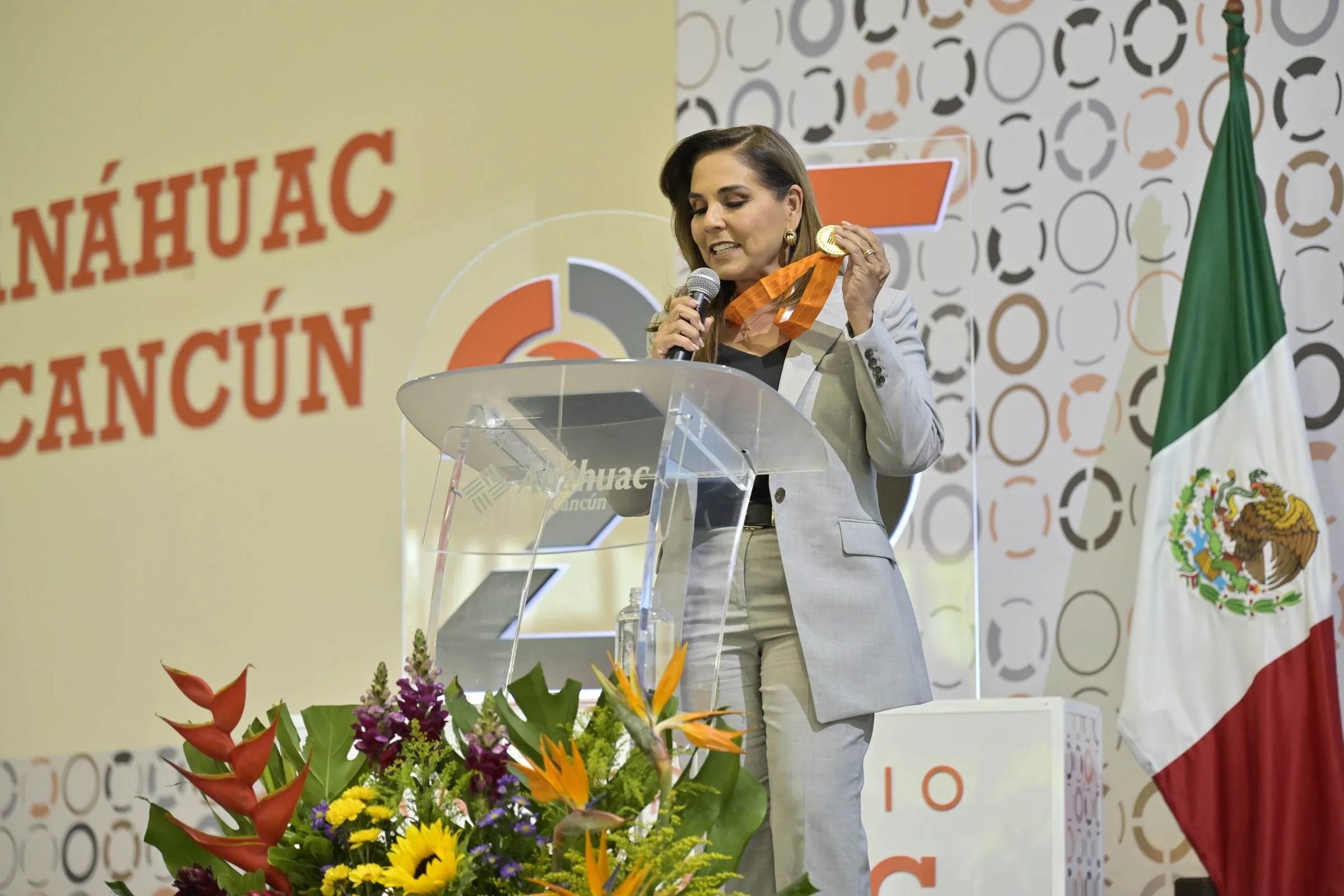
The key moment: keynote, ribbon-cutting, awards
Every event has one or two moments that summarize it: the opening keynote, the ribbon-cutting, the awards presentation. This is the shot that goes into the press release and the first social post, the one deliverable that has to exist in good quality because there's no second take.
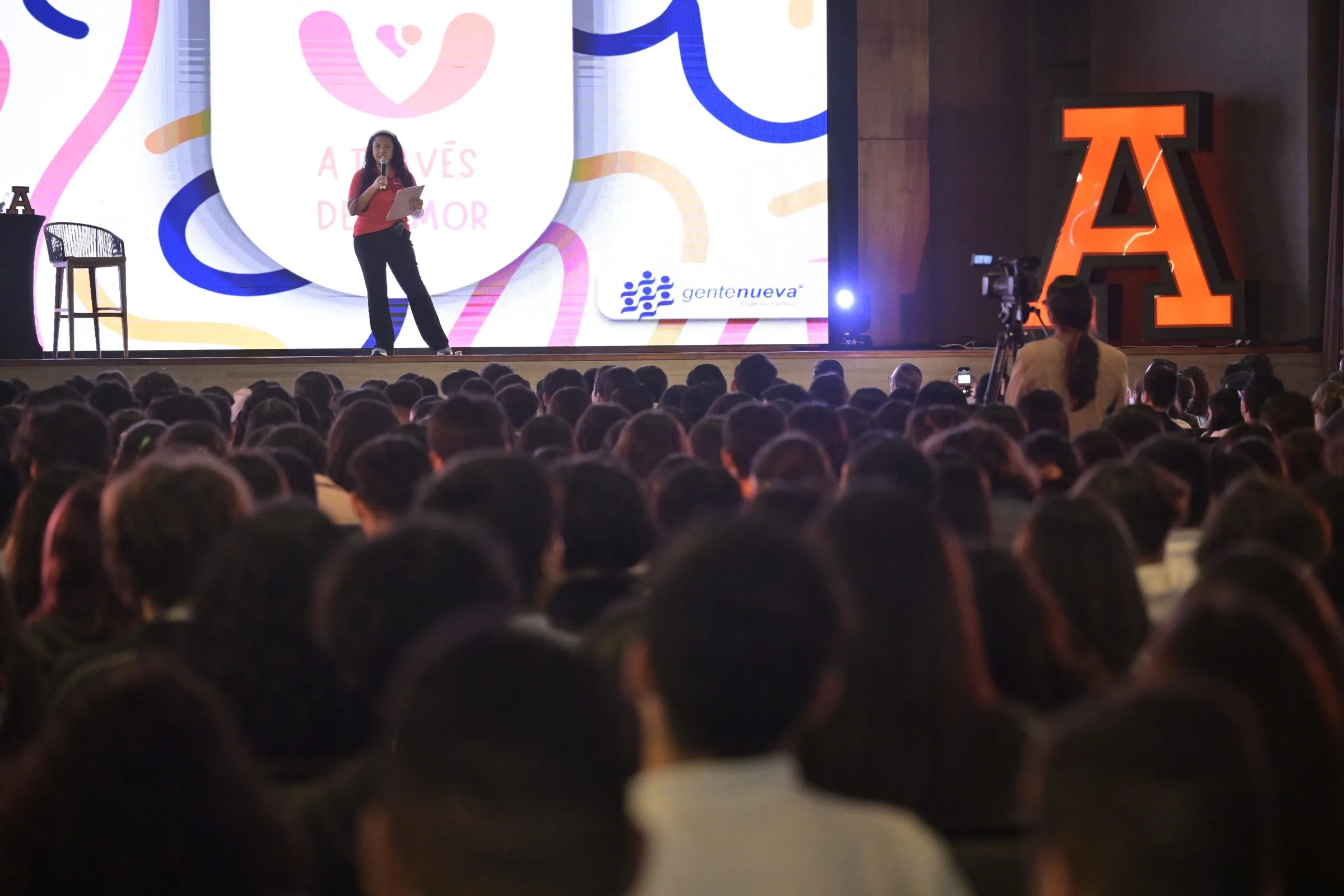
Scale: the packed room
A wide shot of a full ballroom or auditorium is the photo your sponsors actually care about: it's visual proof their sponsorship reached the audience it was sold on. Its job isn't to capture a moment, it's to demonstrate size and turnout for a deck someone else will present.
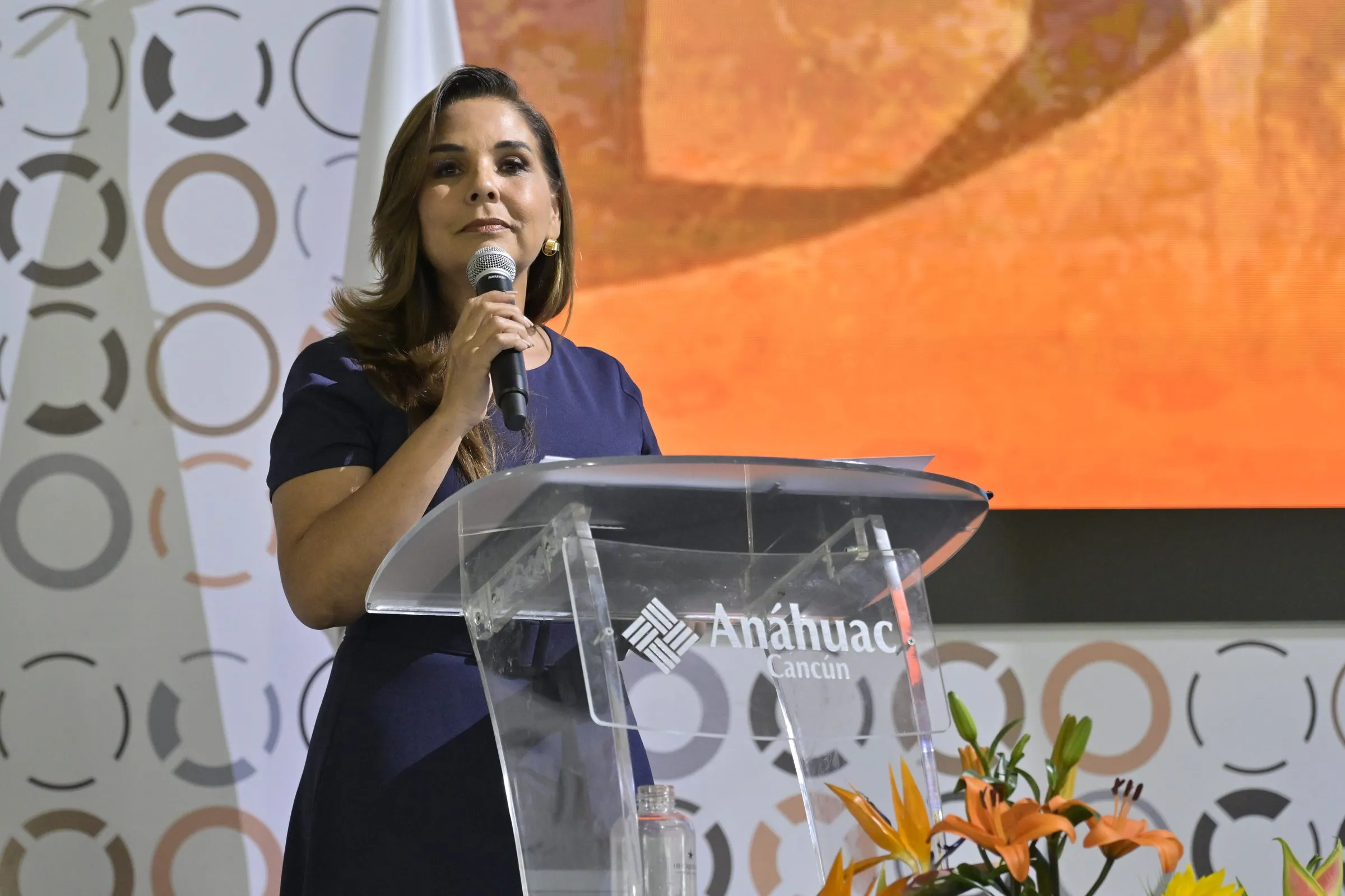
Production and branding detail
The branded backdrop, signage, staging, the sponsor booth once the floor is open and staff are working it. These are the shots your production team and sponsors review most carefully, because they're the proof that the build matched what was in the contract.
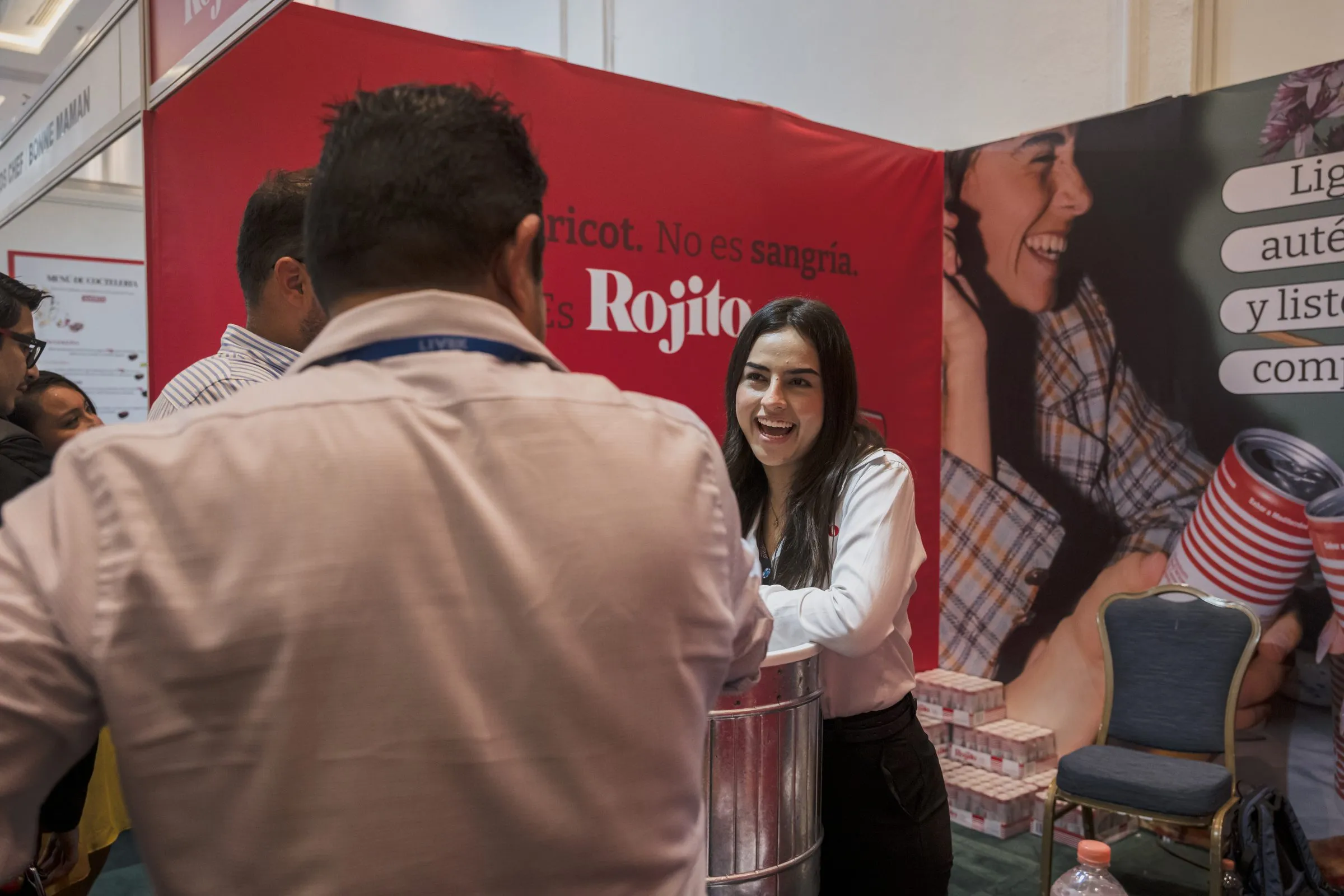
Attendees interacting
Real networking, a table mid-conversation, someone taking notes during a session. This is the energy no stage shot conveys on its own, and it's usually what attendees themselves share the most when they're tagged in it afterward.
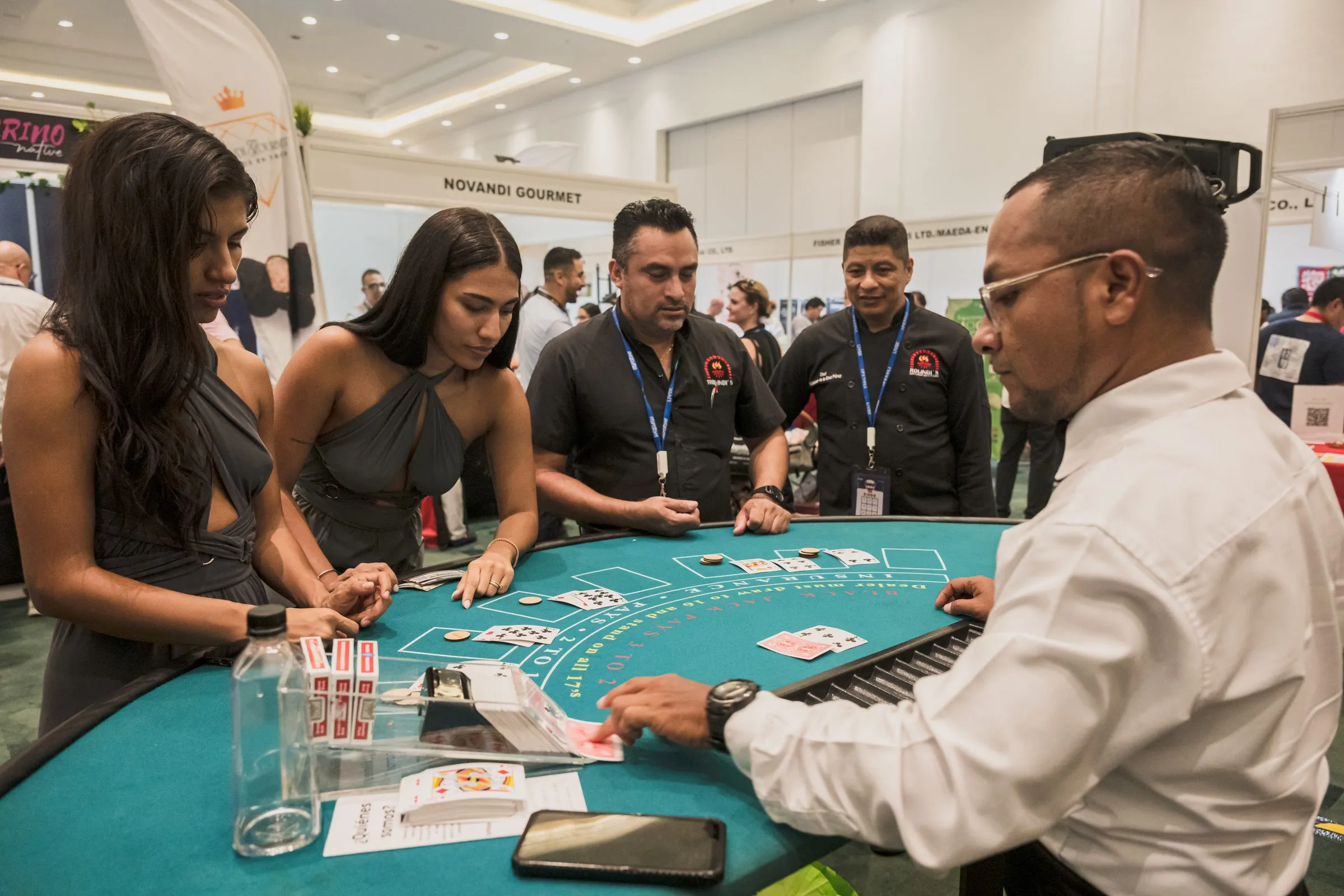
The speaker or honoree in action
Not a posed shot: the speaker mid-sentence, gesturing, with an engaged audience visible in the background. It's the difference between an event photo and a corporate headshot, and it's often the most requested deliverable by the speaker's own team afterward.
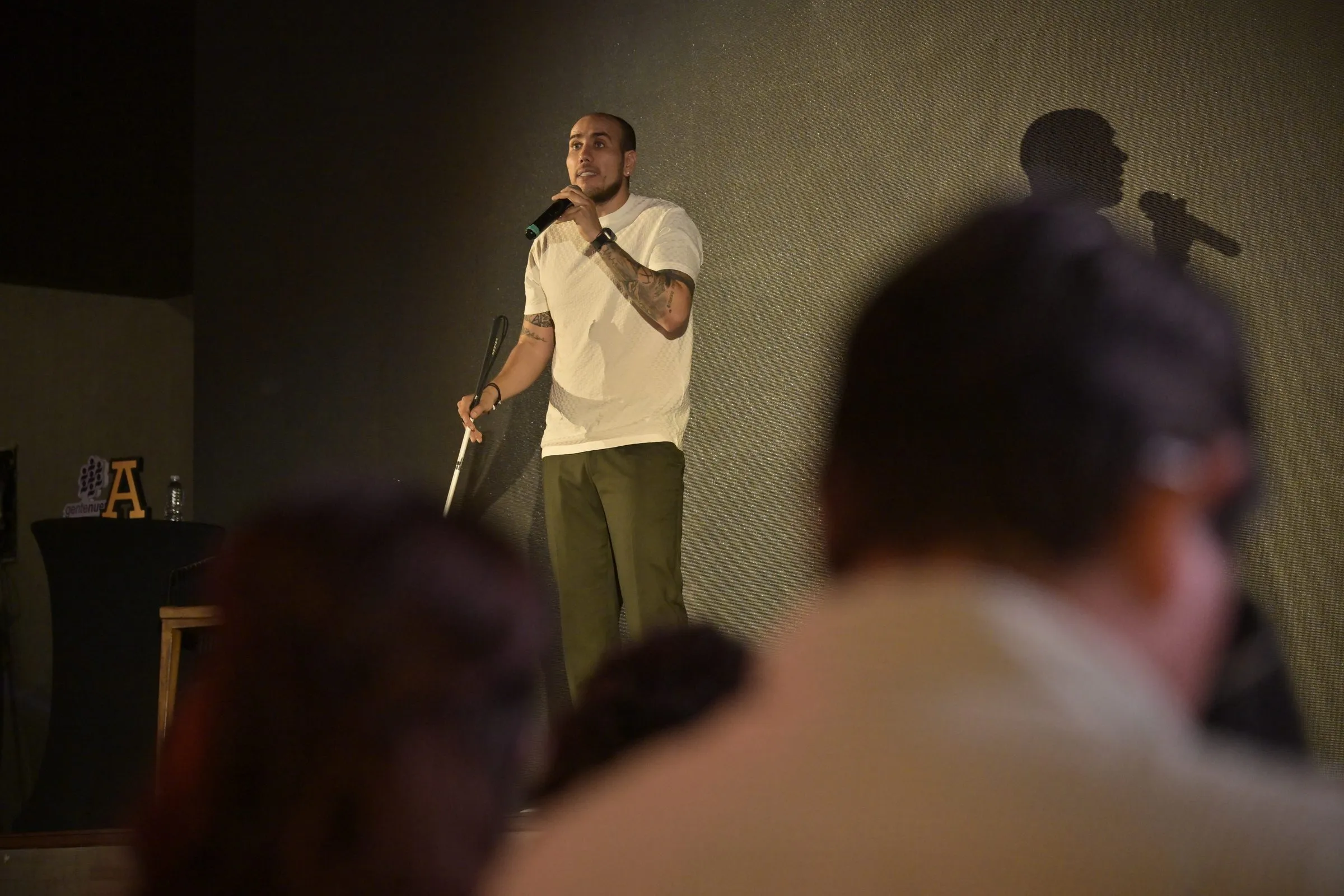
A half-day product launch can lean almost entirely on the key moment and the branding detail; a three-day conference with multiple sponsors needs all five shot types repeated across every room and every day of the program. Deciding that in advance, as part of the brief rather than improvised on-site, is what separates full coverage from coverage that happens to miss the one room your biggest sponsor was in.
What changes depending on the type of event
Multi-day conference or convention. Needs repeated coverage every day, an expanded team for simultaneous rooms, and daily partial deliveries instead of waiting until the event closes to send everything at once.
Product launch. Lives almost entirely on the key moment (the reveal) and the branding and staging detail. Usually a half-day event, with more compact coverage that still has to be exact at the one moment that matters.
Gala dinner or corporate social event. Prioritizes attendees interacting and overall atmosphere over technical detail. It's less about room logistics and more about public relations: who showed up, how it looked, how the night felt.
Trade show or expo. Prioritizes scale (the full show floor) and booth-level detail, with coverage extended across the whole day to capture real visitor flow, not just the opening.
Common mistakes when booking event coverage
- Not briefing the vendor on the real program in advance. Arriving without a confirmed schedule almost guarantees missing the key moment because nobody flagged when it happened.
- Underestimating simultaneous rooms. One photographer covering two rooms at once doesn't cover either one well. It covers half of each.
- Skipping branding and staging detail. Without those shots, the sponsor has no visual proof the build matched what was in the contract.
- Waiting weeks to deliver everything at once. It misses the window where the event is still relevant to press and social media.
- Not defining usage rights upfront. Creates friction later when the material needs to be reused in a campaign nobody scoped for at quote time.
What to expect from remote coordination
Briefing starts before you land, not on event day. Send the program, floor plan if you have one, and any sponsor requirements, and we confirm scope and a schedule around that. We coordinate directly with your DMC or hotel conference services team on access and timing, so you're not relaying logistics back and forth between two vendors yourself.
For conferences with a simultaneous program across multiple rooms, we bring a coordinated team of two or more photographers and videographers, so a keynote in one room and a breakout session in another both get covered instead of one going undocumented because the other ran at the same time.
Delivery has two stages: an edited selection the day after the event, built for your social media, press contact, and sponsor recap, and the full gallery a few days after that. If you booked video, highlights follow the photo selection, ready to help sell next year's edition to whoever wasn't in the room.
Usage rights are worth settling at quote time, not after the invoice. Internal recap decks, press distribution, and paid marketing campaigns are different scopes of use, and confirming which one applies to your event upfront avoids a licensing conversation nobody wants to have after the material is already published. It's a detail that rarely comes up for a single local event, but it matters more for a corporate account bringing multiple groups to Cancun over the year, where the same license question comes up again on every event.
What you actually receive from typical coverage
- Next-day selection. The best shots already chosen and edited, ready to publish, not a full unsorted dump your team has to sift through themselves.
- Full gallery. The complete archive of the event, so you have somewhere to look if you need something specific that didn't make the first selection.
- Highlights video (if booked). An edited recap built to help sell next year's edition, not a raw recording of every session from start to finish.
- Sponsor-tagged material. When an event has multiple sponsors, the selection is organized by brand so each one gets exactly what's theirs without digging through hundreds of photos.
What determines the price
Studio 28 publishes starting day rates in USD for international clients on our production rates page. From that starting point, these are the real variables that move the price of a coverage quote:
- Event length: half a day, a full day, or multiple days are different coverage scopes, not the same job at a different price.
- Number of simultaneous rooms or stages: covering two programs at once requires an expanded team, not one photographer running between rooms.
- Photo only versus photo plus video: adding video coverage changes the scope of the crew on-site.
- Turnaround speed: a rush same-day selection, beyond our standard next-day delivery, is quoted separately.
- Venue location: inside our usual coverage area carries no added cost; venues further out include a travel fee confirmed at quote time.
- Scope of usage rights: internal-only use is a different license than press distribution or paid advertising, and that factors into the quote.
None of these get resolved with a generic price range, which is why we quote against your actual program instead of a number that won't hold up once we see whether it's a single ballroom dinner or a three-day conference across multiple simultaneous tracks. Send over the program, even a draft one, and we quote against that. It's faster and more accurate than trying to reverse-engineer a budget from a two-line description of "a conference, sometime in the fall."