
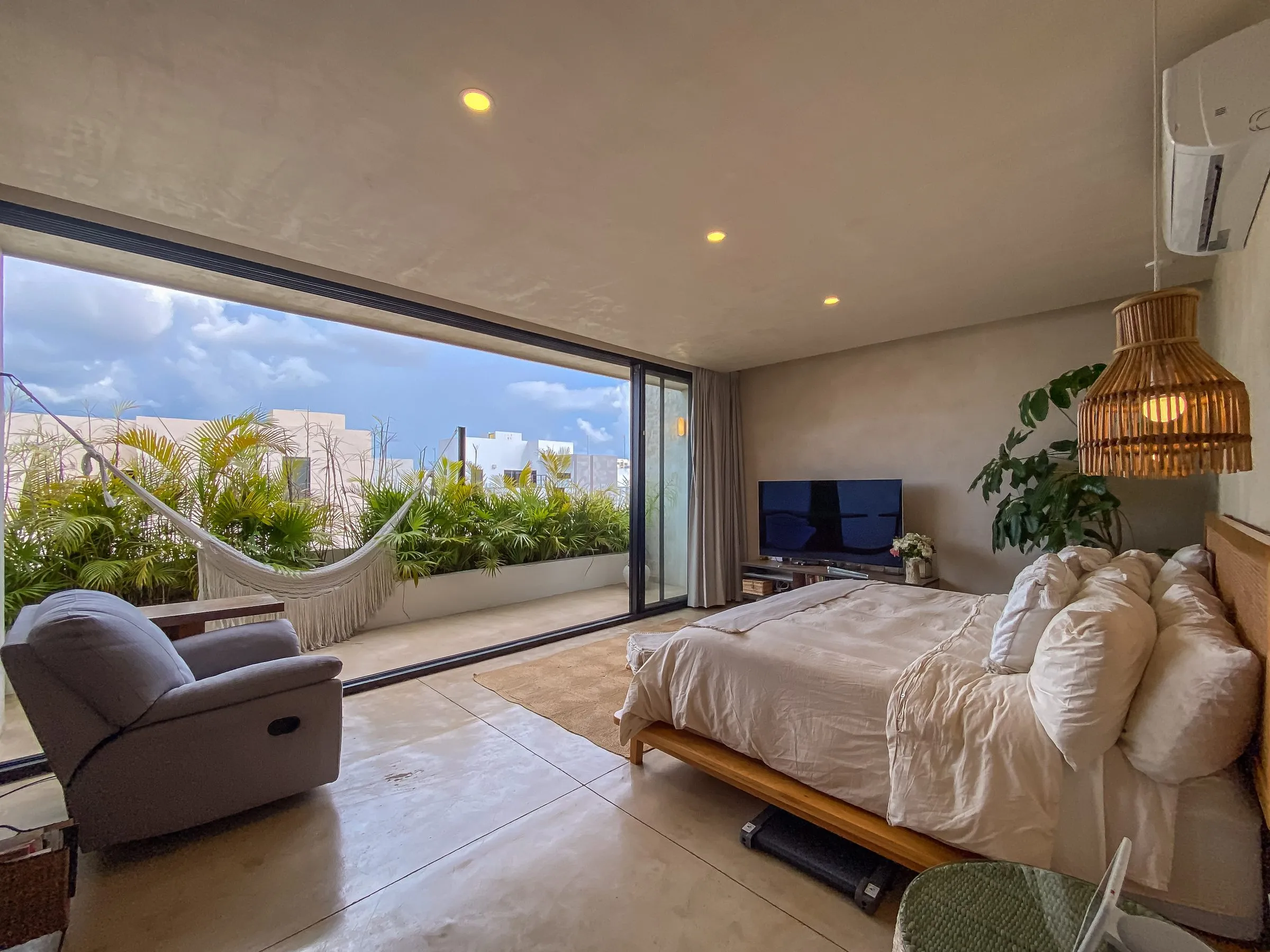
Every image in this article is real Studio 28 work for properties in Cancun and the Riviera Maya.
This guide covers what a US or Canadian buyer expects from a Mexican property listing, the photo, vertical video, and drone package that covers most of that, and how the remote workflow works when your seller isn't the one coordinating access.
A buyer shopping for property in Mexico from outside the country is making a bigger leap of trust than a local buyer would. They can't drive by the property on a whim, and they're relying entirely on what the listing shows them to judge whether the trip down to see it in person is worth planning. Weak photos don't just undersell the property, they raise a quiet doubt about whether the rest of the transaction will be as professional as the marketing suggests.
That's a different bar than a typical local listing has to clear. A buyer comparing your listing against condos in Florida or Arizona is applying the same visual standard they'd expect anywhere else, not a lower one because the property happens to be in Mexico.
What international buyers actually look for
Not just "nice photos." A few specific things that a listing aimed at a domestic buyer sometimes skips.
Proof of build quality, not just staging
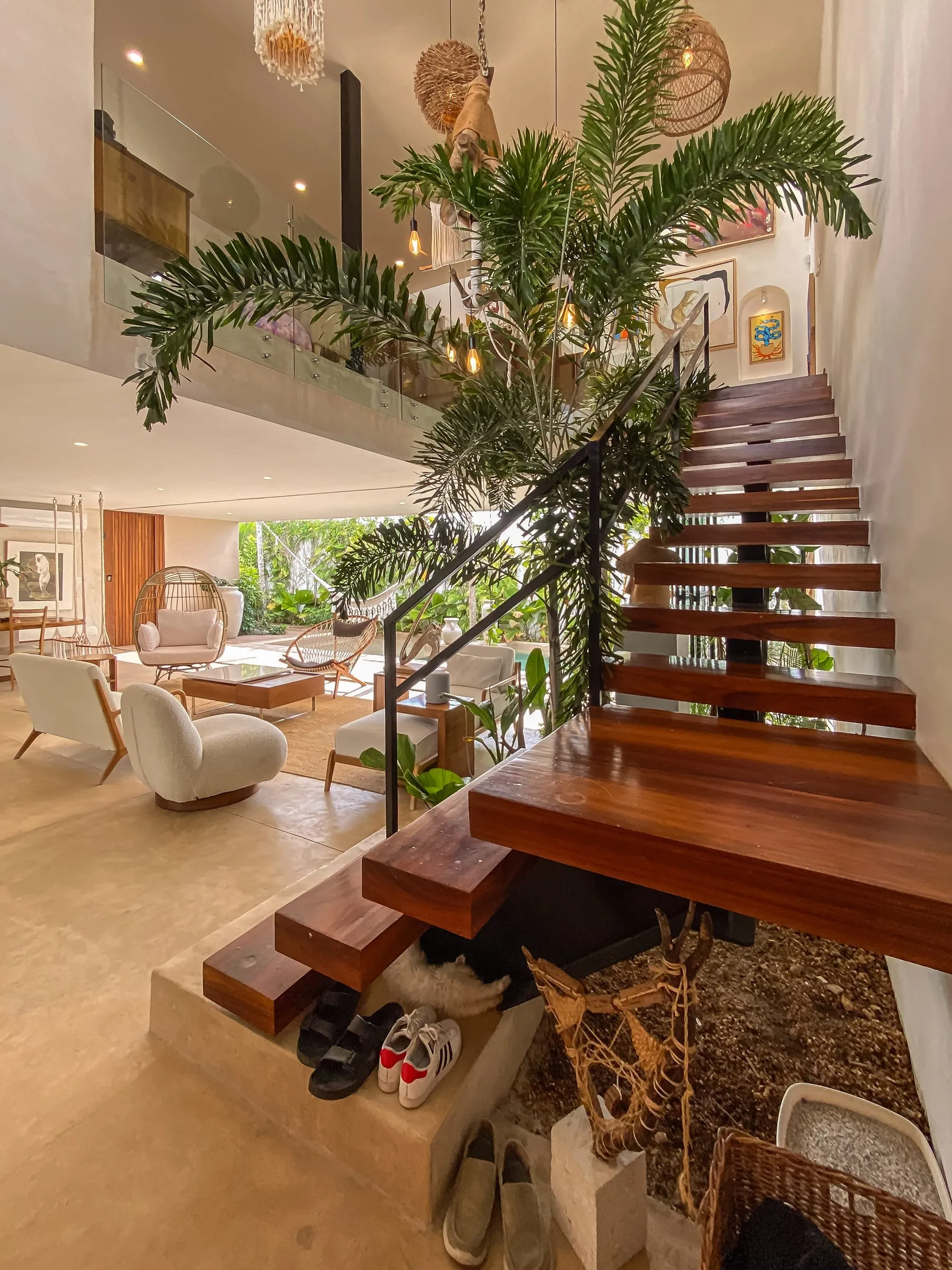
International buyers who haven't purchased in Mexico before often carry an unspoken question about construction quality. Clear, well-lit photos of finishes, fixtures, and structural details answer that question visually before it ever gets asked directly.
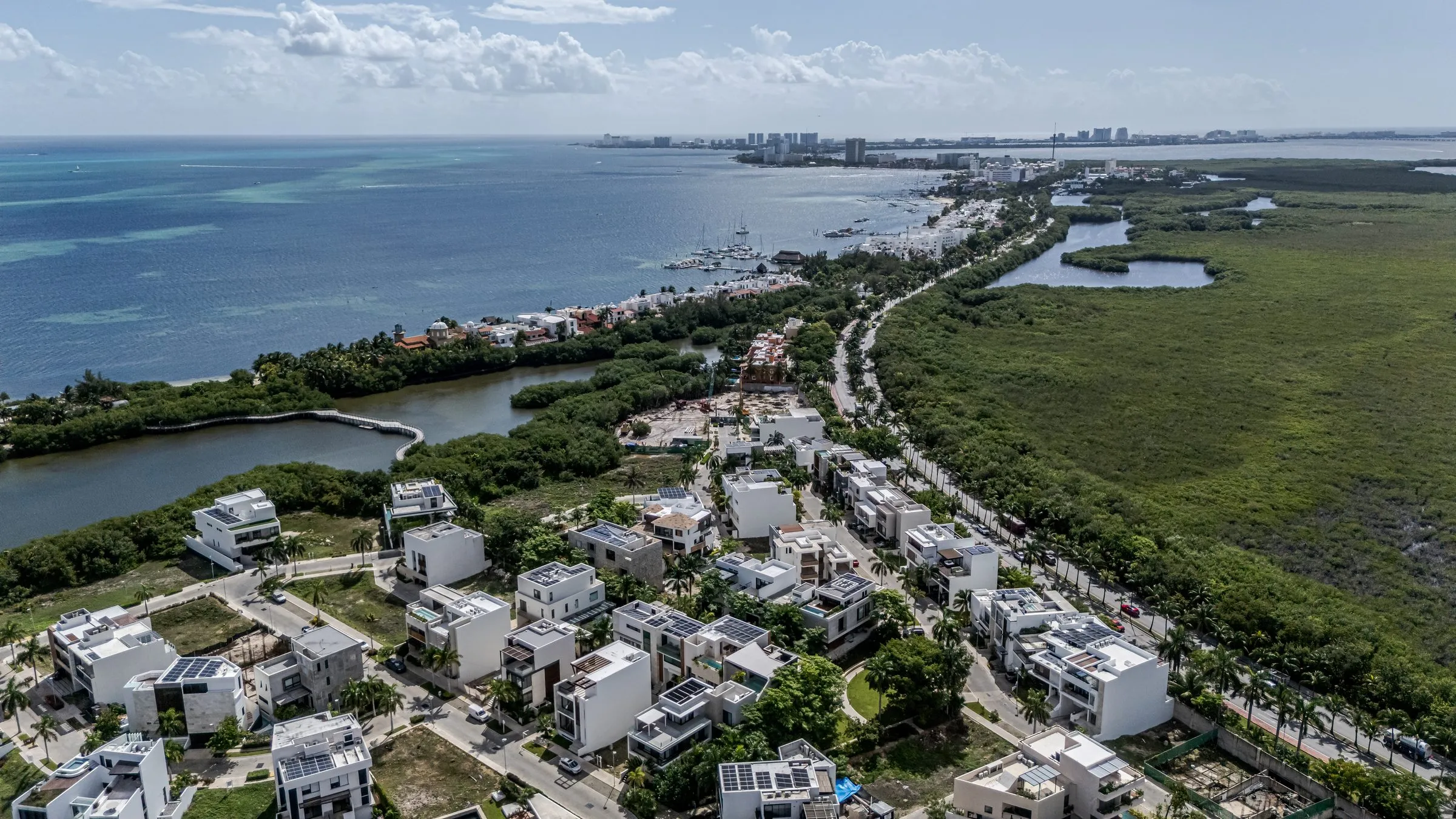
Context: the neighborhood and the commute to what matters
A buyer unfamiliar with the area needs visual context most local buyers already have in their head: how far is the beach, how the property sits relative to everything around it, is this walkable to anything. A few establishing shots do more for an out-of-country buyer than for someone who already knows the neighborhood.
Vertical video for the platforms where they're actually looking
Many international buyers discover properties through Instagram or TikTok before they ever land on a formal listing site. A short vertical clip captures attention in that scroll in a way a static photo carousel doesn't.
Drone, when the lot or location earns it
For properties with real land, pool, or proximity to the beach, an aerial shot answers a question a ground photo can't: how does this property actually sit relative to everything around it. For a single interior unit with no outdoor draw, it's not worth the added cost.
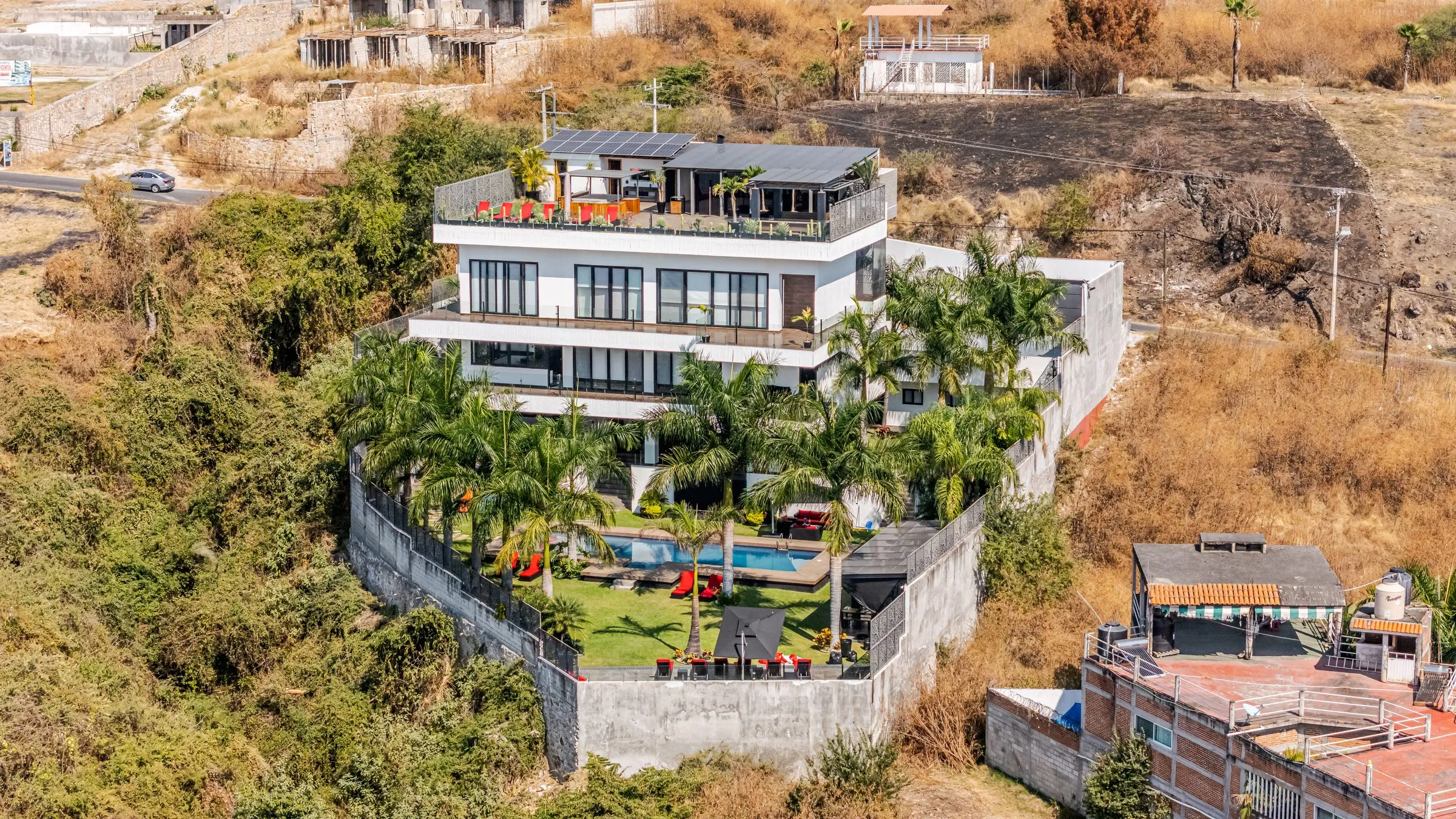
A single condo unit can often be well served by photos and a short vertical clip alone. A larger property with grounds, multiple structures, or a standout view benefits from the full package, drone included, since that's exactly the kind of property where an aerial perspective changes the buyer's read of the listing.
What changes by property type
Single condo unit. Competes on finish quality and building amenities more than land. Photos and a short vertical clip usually cover it well; drone rarely adds enough to justify the cost for an interior unit with no standout view.
Villa or house with private land. Land, pool, and outdoor living space are often the actual selling point. Drone becomes worth including here, and ground photos need to clearly show the flow between indoor and outdoor space.
Pre-construction or development unit. Buyers are purchasing something that doesn't fully exist yet. Photography leans on the sales office, model unit, or already-built common areas, with scope defined case by case since every development is different.
Multi-property brokerage listing. Consistency across listings matters as much as quality within any single one. A buyer comparing several listings from the same brokerage notices when the visual standard shifts from property to property.
Checklist before the shoot
- Confirm who has physical access to the property that day.
- Clear personal items and clutter from every room being photographed.
- Turn on all interior lighting, even during daytime.
- Confirm whether drone is in scope, based on land or view relevance.
- Decide which platforms the material needs to be formatted for: listing site, Instagram, brokerage site.
The photo, vertical video, and drone package
These three pieces are commonly coordinated in a single visit rather than three separate ones: still photos for the primary listing platforms, a short vertical clip for social, and drone footage when the property has grounds or a view worth showing from above. Producing them together instead of scheduling separate shoots is simpler for whoever is coordinating property access on the ground, and it keeps visual consistency across every piece of marketing material for that listing.
How the remote workflow works with your seller
Sellers marketing property from outside Mexico, or brokers managing listings for owners who aren't physically present, don't need to be on-site for the shoot. Access gets coordinated directly with whoever does have keys, whether that's a property manager, a caretaker, or the broker's own local team, and the finished gallery is delivered digitally the same way it would be for any client.
If you'd like a prep checklist you can forward to whoever handles the property before the shoot, that exists specifically for remote hosts and sellers in getting your vacation rental photo-ready.
Common mistakes on listings aimed at international buyers
- Using the same generic listing approach as a local sale. An out-of-country buyer needs more context and more proof of quality than a local buyer who already trusts the market.
- Skipping vertical video entirely. Missing the exact format where many international buyers are actually discovering properties in the first place.
- Drone footage with no real land or view to justify it. Adds cost without adding information for a single interior unit.
- Photos that don't hold up against comparable listings back home. Buyers comparing your listing against properties in their home market apply that market's visual standard, not a lower one.
- No neighborhood or context shots. Leaves out exactly the orientation an unfamiliar buyer needs most.
What determines pricing for this package
Studio 28 publishes starting day rates in USD for international clients on our production rates page. The final price for your specific listing depends on a few real variables:
- Property size and how many distinct spaces need covering.
- Whether drone is included, based on land, pool, or view relevance.
- Whether vertical video is part of the same visit or photos only.
- Single listing versus a recurring volume arrangement for a brokerage with an ongoing pipeline.
None of these variables resolve with a generic range. That's why we quote based on your actual property and listing volume, not a number that applies the same to a single condo as it does to a brokerage managing dozens of active listings across the Riviera Maya.